



Vehicle ownership in the UK involves several ongoing costs, and 2026 road tax remains one of the most consistent. Officially known as Vehicle Excise Duty (VED), it applies to most vehicles used or parked on public roads.
The amount payable depends on a combination of factors, including CO₂ emissions, vehicle type and registration date. These variables place vehicles into different tax bands, which determine the annual charge.
Understanding how vehicle tax UK rules work helps drivers plan running costs more accurately. This guide outlines how 2026 road tax is structured, what different vehicles may pay and how the system is applied in practice.
What Is 2026 Road Tax?
Road tax refers to Vehicle Excise Duty, a government charge applied to vehicles registered for use on public roads. Most cars, vans and motorcycles fall within this system.
Drivers must pay this tax to legally drive or keep a vehicle on public roads. Payment can be made annually or spread across monthly instalments through Direct Debit.
The amount charged is primarily based on two elements:
- CO₂ emissions
- Date of first registration
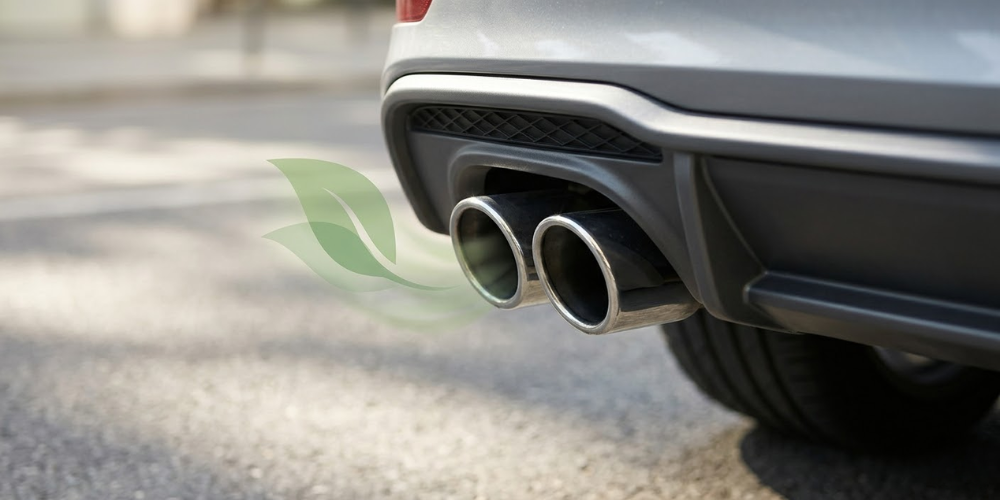
These factors determine which tax band a vehicle falls into and how much is payable each year.
How Much Is Road Tax in 2026?
The question how much is road tax depends on the vehicle and how it is classified. UK road tax rates follow a tiered structure, with most vehicles moving to a standard annual rate after their first year.
Vehicle Type | Approx Annual Tax |
Low-emission petrol car | Lower tax band |
Standard petrol or diesel | Standard annual rate |
High-emission vehicle | Higher rate |
For many vehicles registered in recent years, the standard annual rate sits at a fixed level after year one. First-year costs vary more significantly, particularly for higher-emission vehicles.
Exact figures change when government budgets adjust taxation, so drivers should expect small increases over time. Inflation and environmental policy continue to influence car road tax UK pricing.
How CO₂ Emissions Affect Your 2026 Road Tax
CO₂ emissions sit at the centre of how road tax bands in the UK are structured. Vehicles producing higher emissions fall into higher tax bands, which increases annual costs.
Lower-emission vehicles benefit from reduced tax levels. This structure reflects broader environmental policy aimed at encouraging lower-emission transport.
Manufacturers publish emissions data during vehicle testing. These figures appear on registration documents and technical specifications. Tax bands are assigned based on these values.
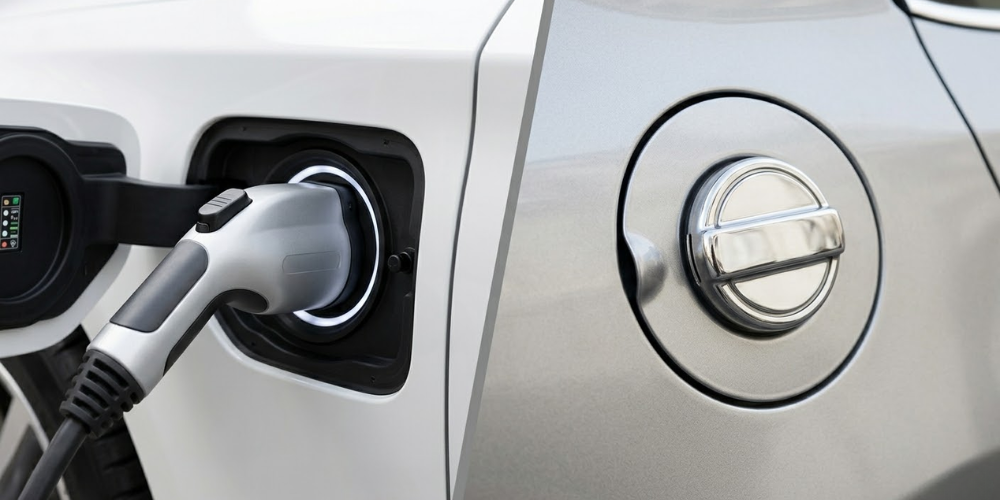
This means two vehicles of similar size can attract different tax rates depending on engine efficiency and emissions output.
2026 Road Tax Rates for Petrol and Diesel Cars
Petrol and diesel vehicles follow the same general tax framework, though emissions levels influence how much is paid.
In the first year of registration, tax is calculated directly from CO₂ output. Vehicles with higher emissions can attract significantly higher initial charges.
After the first year, most vehicles move to a standard annual rate. This simplifies ongoing costs for the majority of drivers.
Diesel vehicles can sit in higher tax brackets where emissions exceed certain thresholds. Older diesel engines may attract higher charges compared with newer, more efficient models.
2026 Road Tax for Electric and Hybrid Vehicles
Electric vehicles have historically been exempt from road tax, though this has begun to change. Newer policies mean some electric vehicles may now fall within standard tax rates.
Electric vehicles still benefit from lower overall running costs. The absence of emissions places them outside traditional tax band structures in earlier years, though this gap is narrowing.
Hybrid vehicles follow a mixed approach. Their tax level depends on emissions output from the petrol or diesel engine.
Many hybrids sit in lower tax bands compared with conventional vehicles, though they are not exempt. The balance between electric assistance and engine output determines their classification.
Government policy in this area continues to develop, so tax treatment may shift further in future years.
How First-Year Road Tax Works in 2026
The first year of vehicle tax operates differently from subsequent years. This initial charge is closely tied to CO₂ emissions.
Vehicles with low emissions typically receive lower first-year charges. High-emission vehicles can attract significantly higher costs at registration.
This payment is made when the vehicle is first registered and taxed for use on the road.
After the first year, most vehicles transition to a standard annual rate. This creates a clearer and more predictable cost structure for ongoing ownership.
Standard Rate vs Premium Rate Vehicles
Vehicles above a certain price threshold attract an additional charge known as the premium rate.
This applies to cars with a higher list price when new. The premium charge is added to the standard annual tax rate.
The additional cost typically applies for several years after registration. It affects vehicles based on value rather than emissions alone.
As a result, some lower-emission vehicles may still incur higher tax if their original purchase price exceeds the threshold.
How to Check Your Car’s 2026 Road Tax Band
Drivers can check their vehicle tax UK status using several straightforward methods.
Common options include:
- DVLA online vehicle checker
- Vehicle registration document (V5C logbook)
- Manufacturer specifications
To check tax details, drivers usually need:
- Vehicle registration number
- Registration year
- Emissions or engine details
Online checks provide the fastest result. Entering a registration number into the DVLA system returns tax status, payment history and renewal dates.
When and How to Pay Your 2026 Road Tax
Vehicle tax must be in place before a vehicle is driven or parked on public roads.
Payment options include:
- Online payment via the DVLA website
- Monthly Direct Debit instalments
- Annual one-off payment
The DVLA issues reminders before tax expires. Maintaining valid tax avoids penalties and ensures continuous legal use of the vehicle.
What Happens If You Don’t Pay Road Tax?
Failing to pay vehicle tax can result in enforcement action. Authorities monitor vehicles using automatic number plate recognition systems, which detect untaxed vehicles on public roads.
Penalties may include:
- Financial fines
- Late payment charges
- Vehicle clamping
- Vehicle impoundment
Vehicles not in use must be declared SORN. This confirms the vehicle is off the road and not subject to tax requirements.
Driving or parking an untaxed vehicle without SORN is illegal under UK law.
Accurate and compliant number plates play a role in vehicle identification within these systems. Drivers maintaining legal road use often review plate condition and visibility alongside tax and documentation.
Frequently Asked Questions About 2026 Road Tax
How do I check my road tax online?
Use the DVLA vehicle checker with your registration number to view tax status and expiry dates.
Can I pay road tax monthly?
Yes. Monthly payments are available through Direct Debit.
Do electric cars pay road tax in 2026?
Some newer electric vehicles fall under standard rates as policy changes are introduced.
What happens if I forget to renew my road tax?
Penalties may apply, including fines or enforcement action.
Does road tax transfer when buying a car?
No. Vehicle tax does not transfer between owners. The new owner must tax the vehicle before driving it. Many drivers also take the opportunity to update or personalise details such as number plates using the Demon Plates plate builder when taking ownership.
Final Thoughts on 2026 Road Tax
2026 road tax is structured around emissions, vehicle value and registration timing. Costs vary across different vehicles, though most follow a standard annual rate after the first year.
Understanding how tax bands apply helps drivers plan ongoing costs and avoid unexpected charges. First-year rates, premium vehicle charges and emissions classifications all influence the total amount paid.
Maintaining valid tax, accurate registration details and compliant number plates supports legal vehicle use. For drivers updating or refining their vehicle’s appearance, options are available to contact us for custom plate solutions that meet UK regulations.