



Tinted number plates keep appearing on UK roads, so many drivers are naturally asking the same thing: are tinted number plates legal, or does it risk trouble later?
For car owners who enjoy subtle styling changes, tinted plates can seem appealing, yet UK number plate laws leave very little flexibility, and that often surprises people.
Number plates are not decorative items; they support enforcement and safety, so the number plate visibility UK standards exist for a reason.
If tint affects how a plate is read by people or systems, legality can disappear quickly, even where the change feels minor.
This guide explains tinted plate legality, visibility concerns, and what UK drivers need to know before making a decision.
The Legal Standards for Number Plates in the UK
UK number plate laws are strict, so there is very little flexibility once the rules are applied, and that often catches drivers out.
Every road legal plate must meet standards set by the Driver and Vehicle Licensing Agency, with a focus on clarity rather than style.
Plates must use a white background on the front and yellow on the rear, paired with black characters in an approved font and layout. Any legal number plate tint that alters the contrast between the background and characters on a plate can cause issues straight away. Reflectivity is another key factor, since plates must reflect light properly in low light and poor weather, and tint can reduce that effect even where it seems light.
The law does not recognise tinted number plates that UK sellers may promote, so tinted plate legality depends entirely on whether every original requirement is still met.
How Tinting Affects Plate Visibility
UK number plate visibility rules exist for practical reasons, so tinting affects more than how a plate looks; that point sometimes gets missed.
A tinted surface can reduce contrast between the background and the characters, and that reduction makes plates harder to read at a distance, which is where problems tend to appear.
Reflectivity plays a major role, since plates are meant to reflect light from headlights, and tint absorbs some of that light, so visibility drops in rain, fog, or darkness.
Even light tinting can change how a plate reacts under street lighting, and that usually becomes noticeable during MOT checks or roadside stops.
Tint can cause glare or dull patches, too, which affects how characters appear from different angles. What seems readable when parked may become unclear once the vehicle is moving, so tinted plate legality often fails on visibility rather than intention.
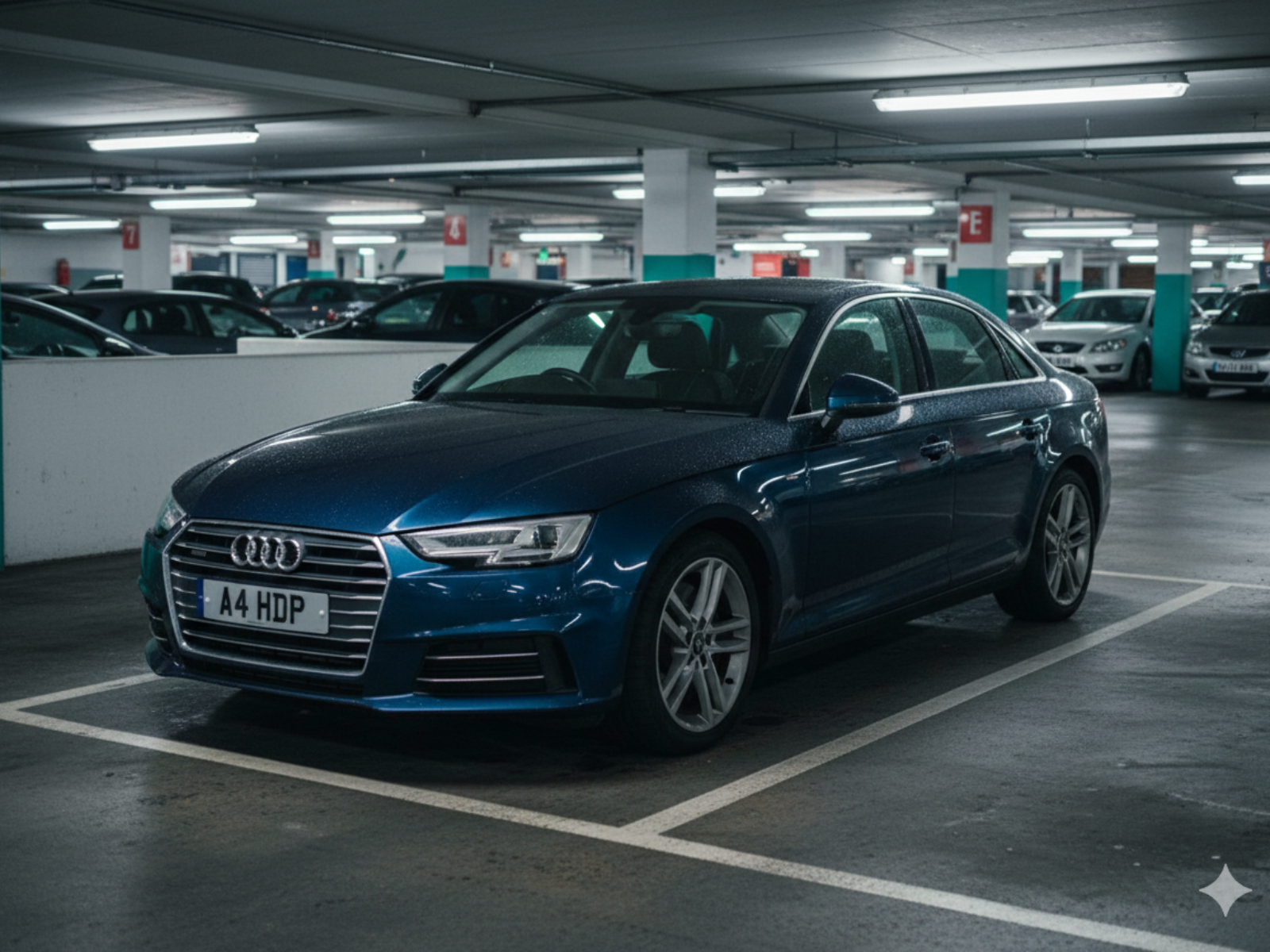
The Role of ANPR Cameras
ANPR cameras are widely used across the UK, and they play a key role in how number plates are checked, which explains why tinted plate legality matters so much.
These systems read plates by analysing contrast and reflectivity, so even small visual changes can affect accuracy, which is often overlooked by drivers.
When tint is applied, ANPR cameras may struggle to separate characters from the background, so reads can fail or produce errors. This affects congestion zones, parking systems, and police checks, where reliable identification is expected.
Tint can interfere with infrared reflection, too, and ANPR relies on that working consistently. If a plate cannot be read correctly by these systems, the number plate rules are not being met, even where the plate still looks clear to the eye.
Are Tinted Plate Covers Allowed
Tinted plate covers often appear as a safer option than tinted plates, so it helps to be clear about how the law treats them. A cover sits over the plate rather than altering the plate itself, yet UK number plate laws focus on the final appearance and performance, not how the change was made.
Most tinted covers affect reflectivity or clarity, so number plate visibility checks can drop even where the plate underneath meets standards. Covers can cause glare under headlights, dull the background colour, or distort characters from certain angles, and that tends to attract enforcement attention.
There is no legal allowance for tinted covers that change how a plate reads, so tinted plate legality usually fails once a cover alters visibility. For drivers asking if tinted number plates are legal when using covers, the answer remains tied to readability rather than intention.
Common Reasons Plates Are Deemed Illegal
Plates can fail legal checks for reasons that feel minor, so knowing where problems start helps drivers stay within UK number plate laws. Issues usually appear after styling changes rather than from factory-supplied plates.
A frequent cause is reduced reflectivity, where tint or coatings dull the surface, so number plate visibility becomes weaker in low light. Background colour changes create problems too, since darkening the white or yellow surface lowers contrast, which affects tinted plate legality.
Softened or obscured characters are another trigger, as tint can blur edges and reduce clarity at a distance. Aftermarket covers or films, may add glare or distortion under headlights or cameras.
Small adjustments can build up, so several minor changes together may push a plate outside legal limits.
Penalties for Non Compliant Number Plates
Penalties linked to non-compliant plates can still catch drivers out, so knowing the risks before fitting tinted plates helps avoid problems later. UK number plate laws allow police to act quickly where plates fail visibility rules, and that often begins with a roadside stop.
A fixed penalty fine is the most common outcome, and drivers may be required to replace the plate immediately, which adds cost and inconvenience. Plates that reduce number plate visibility can fail an MOT, so the vehicle cannot pass until the issue is fixed.
Police may issue defect notices, and repeated problems can lead to closer attention during future stops. Insurance complications may arise, too, if a vehicle is considered unroadworthy at the time of an incident.
Questions around tinted plate legality keep coming up because UK number plate laws allow very little flexibility, and that still catches drivers out.
Plates must stay clear, reflective, and readable at all times, so tint can make a plate unlawful.
If you're unsure, then build your plate now at Demon Plates, and we'll ensure whether your plate is legal for road-use or dedicated for private use.