



You might have wondered, can ANPR cameras read my number plate correctly, especially if you run a 3D or slightly stylised plate, so you’re not alone in that concern.
Many drivers worry that a small styling choice could lead to a fine, yet the reality is usually far less dramatic than people expect.
ANPR systems, in fact, are built to read plates in busy car parks, on motorways and at toll roads, so they cope with a lot. Still, errors can happen in certain situations, and that is where clarity and compliance start to matter.
Our guide explains how the technology works, what causes an ANPR misread number plate scenario, and how you can reduce the risk without giving up the look you like.
How ANPR Cameras Read Number Plates
ANPR, or to give it its full name of Automatic Number Plate Recognition, works by combining cameras with software that performs number plate OCR, which is stands for Optical Character Recognition.
The camera captures an image of your vehicle, often using infrared light, so it can read characters in low light or at night. Infrared, in a way, helps reduce glare and highlight the contrast between the background and the lettering.
The image then passes through OCR software, which converts the shapes of letters and numbers into digital text. The system, in fact, compares that text against databases for tax, insurance, congestion charging or parking records. If everything matches, the read passes quietly through the system.
That process sounds simple, yet it depends on clear characters, correct spacing and reflective materials. ANPR is accurate in most cases, still it relies on consistency in design to perform well.
Common Causes of ANPR Misreads
An ANPR misread number plate situation, in most cases, links back to visibility rather than styling alone. The system needs clean, well-formed characters, so anything that interferes with that can cause confusion.
Common causes include:
- Obstructions – Tow bars, bike racks or dirt that partially cover a character can slightly distort the read.
- Lighting glare – Strong sunlight or headlight reflection can wash out parts of a plate, particularly if the surface is poor quality.
- Low-quality plates – Plates without proper reflective backing might not respond well to infrared capture.
- Non-compliant materials – Some tinted plates ANPR systems struggle with are those that reduce contrast too much.
In other words, the issue tends to be about clarity rather than design flair.
How Plate Fonts and Spacing Affect Reads
Font and spacing matter more than many drivers realise, so this is where compliance becomes very important.
UK plates must use the Charles Wright font, which was created to keep each character distinct and machine readable. The uniform thickness and clean edges help number plate OCR systems separate one character from the next.
Illegal spacing, however, can create problems. Moving characters closer together to form a word, for example, might look clever, yet it can cause the OCR software to merge or misinterpret shapes. That is when a 3D plate ANPR concern sometimes appears, although the raised characters themselves are not the issue if they follow legal standards.
As long as your plate uses the correct font, approved spacing and compliant materials, it will usually remain readable by ANPR systems.
How Dirt and Weather Impact Accuracy
Weather plays a bigger role than people expect, so routine cleaning actually makes a difference. Mud, snow and road grime can partially cover characters, which slightly reduces contrast. Heavy rain, in some respects, can create reflections that blur edges in captured images.
The reflective coating on a legal plate helps infrared cameras pick up the characters clearly. If that coating is damaged or poor quality, the read can become less reliable. Keeping your plate clean and intact, therefore, is one of the simplest ways to reduce risk.
This applies to every driver, whether you prefer a standard plate or something more stylised.
How Plate Damage and Fixings Create Confusion
Physical damage, even when it looks minor, can interfere with how cameras interpret shapes.
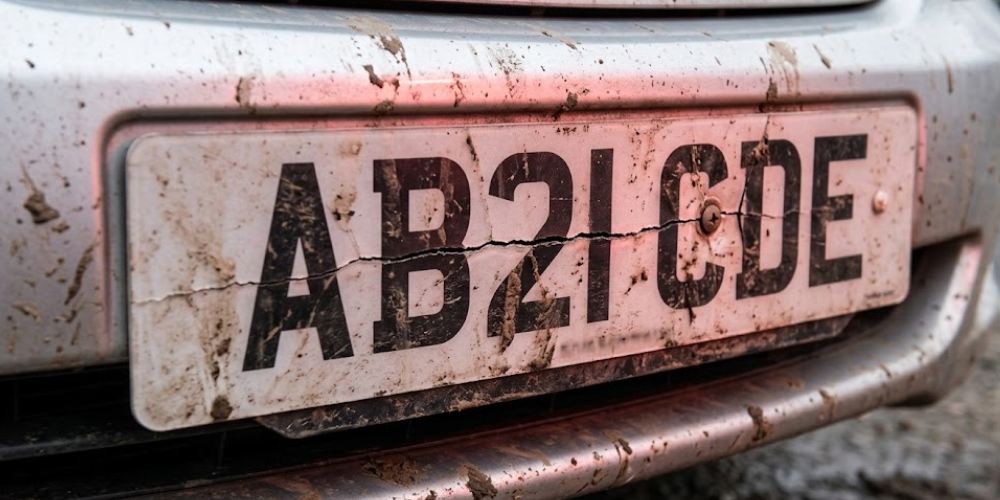
Typical issues include:
- Cracks across characters – A split through a number can make it resemble another digit.
- Warping or bending – Curved surfaces reflect light unevenly, which slightly alters how OCR reads the shape.
- Screw placement – Fixings positioned within a character, such as through a zero or an eight, can distort the intended form.
These problems, in fact, often cause more trouble than legal 3D detailing ever would.
How Similar Characters Can Be Mixed Up
Certain characters already look alike, so ANPR systems rely heavily on font clarity to tell them apart.
The number zero and the letter O, for instance, share a similar outline. The number one and the letter I can appear nearly identical at speed. The number five and S, meanwhile, often create confusion if the edges are unclear.
The Charles Wright font was developed to reduce that overlap, yet damage, dirt or illegal styling can remove those subtle differences. Number plate OCR works by analysing shape patterns, so any distortion increases the chance of a misinterpretation.
This is another reason why compliant spacing and proper manufacture matter so much.
What Happens When ANPR Gets It Wrong
If an ANPR system makes an error, the process does not usually stop at automation. Parking operators and enforcement bodies, in many cases, review image evidence before issuing penalties. If you receive a notice and believe it relates to an ANPR misread number plate issue, you can request the photographic evidence.
The appeal process allows drivers to challenge incorrect charges, so clear images often resolve simple misreads quickly. Having a fully compliant plate, manufactured to British Standard requirements, gives you confidence if a dispute arises.
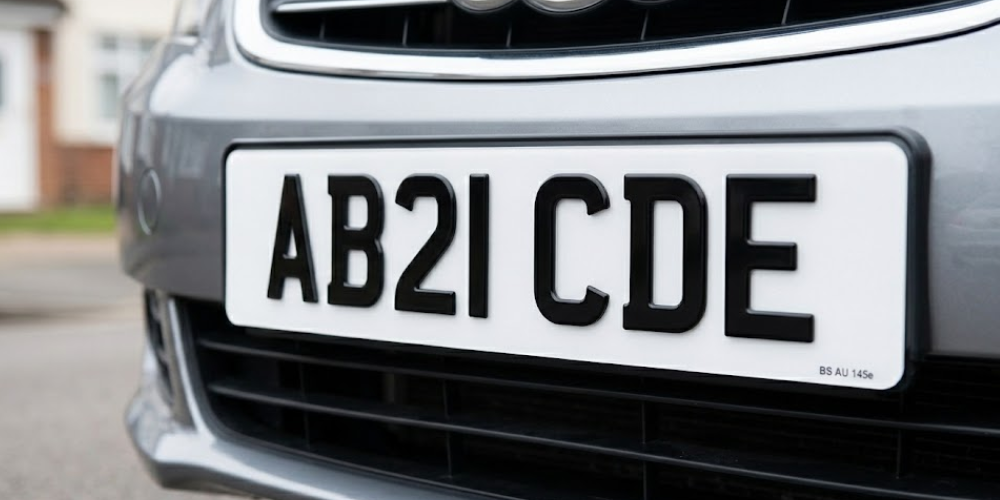
So, can ANPR cameras read my number plate accurately? In most situations, yes. Problems tend to appear when plates are obscured, damaged or altered beyond legal limits. Keeping your plate clean, correctly spaced and legally formatted remains the safest way to enjoy your chosen style without unwanted complications.