



Tinted number plates: they tend to be one of those styling choices that catch your attention quietly and then stay in your thoughts, especially if you want your car to feel a little more considered without pushing into obvious modification territory.
Many drivers first notice tinted plates on darker cars, where the standard white or yellow finish can feel a bit harsh against modern paintwork, trims and lighting. The softer look seems to sit better, yet once interest grows, questions follow quickly, particularly around legality, visibility and whether the style works beyond parked photos.
This tinted number plate guide exists to remove that uncertainty. Online searches often blur opinion, assumption and outdated advice, which makes it hard to feel confident about what is actually acceptable on UK roads.
Here, the focus stays practical. This guide explains what tinted number plates are, how different tinting methods work, how appearance changes across finishes, and how visibility behaves in real driving conditions. It also covers legal expectations, enforcement behaviour, and how to choose a finish that balances style with everyday use, so decisions feel informed rather than rushed.
What Tinted Number Plates Are
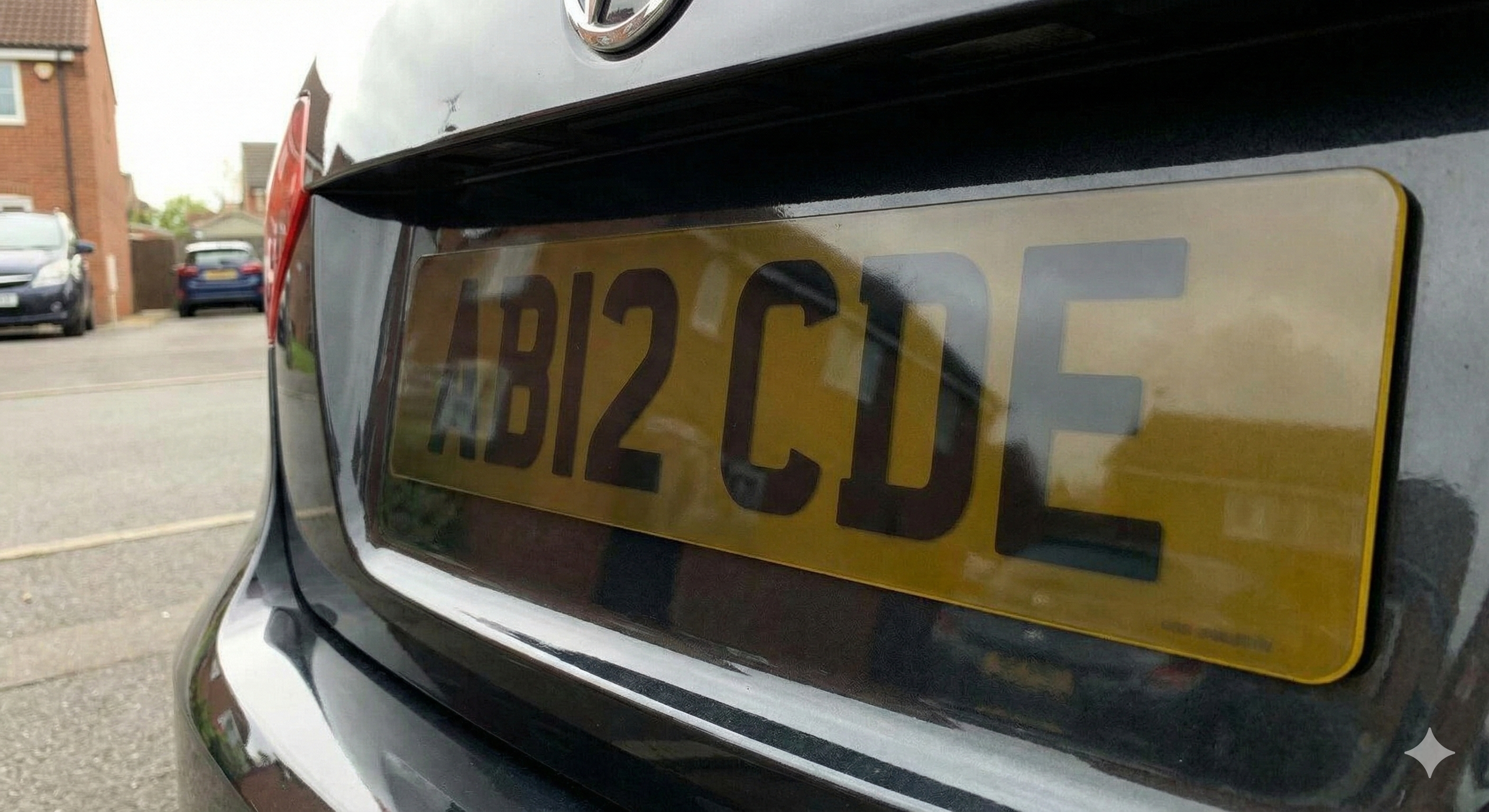
Tinted number plates are standard UK registration plates that have a shaded finish applied to the plate face, so the overall appearance changes slightly without altering the characters themselves. The font, spacing and layout remain the same, yet the surface appears softer or darker than a factory plate.
At a structural level, nothing changes. These plates still follow recognised UK number plate styles, which means the difference sits entirely in visual treatment rather than format. This distinction matters because many drivers assume tinting falls into the same category as novelty spacing or decorative fonts, when it does not.
Most tinted plates use grey or smoke-toned finishes rather than colour. This approach keeps the registration readable, yet reduces glare and contrast just enough to soften how the plate sits on the vehicle. That subtle change is usually where interest begins.
It is worth being clear that tinting does not turn a plate into a personalised design feature in the traditional sense. The plate still functions as a legal identifier first. The tint acts as a surface adjustment rather than a redesign, which is why reflectivity and visibility remain central to whether a plate is acceptable.
This balance is what creates uncertainty. A tinted plate can look standard at a glance, yet small changes in surface behaviour can affect how it performs once lighting, weather, and distance come into play.
The Different Ways Number Plates Are Tinted
When drivers start exploring number plate tinting options, they usually encounter a small range of methods. Each changes appearance slightly differently and carries its own implications for durability, clarity and reversibility.
Tinted films are one of the most common routes. These thin layers sit over the plate surface and create a light smoke effect. They appeal because they can often be removed, which suits drivers who want to test a look before committing long-term. Fit quality matters here. Poor alignment, trapped air or lifted edges can interfere with clarity and attract attention.
Sprays and surface coatings offer another approach. These are applied directly to the plate face in layers, gradually darkening the surface. Results vary widely depending on application control. Removal later is often difficult, which increases risk if the finish ages unevenly or falls out of tolerance.
Clip-on tinted covers are widely sold online. They offer instant darkening, yet they often interfere with reflectivity and readability. These covers frequently cause issues because they sit above the plate rather than integrating with it, which changes how light interacts with the surface.
Integrated tinted acrylic plates are manufactured with the tint built into the material itself. This option usually produces the cleanest finish and aligns with higher-quality custom number plate finishes. Even here, legality depends on tint depth and how well contrast and reflectivity are preserved.
How Tinting Changes Appearance and Style
Tinting changes how a number plate sits visually on a vehicle, so the effect tends to feel restrained rather than decorative. A light tint softens the brightness of a factory plate and helps it blend more naturally with modern paint colours, dark trims and smoked lighting elements.
Medium tints create a more noticeable shift. They reduce glare and allow the plate to sit closer visually to darker grilles, window glass and exterior detailing. This finish often feels intentional without drawing attention away from the rest of the car, which explains why it remains popular across current styling trends.
Darker tints push the effect further. The plate becomes less prominent against black or deep grey bodywork, yet character definition reduces at the same time. This is where style and function begin to diverge, particularly once the car is in motion.
Style preference plays a role, yet restraint tends to matter more than ambition. Lighter custom number plate finishes usually allow the plate to complement the vehicle rather than dominate it, which keeps the overall look cohesive.
Visibility in Daytime Driving Conditions
Daytime visibility is often where tinted plates appear least concerning at first glance. Strong natural light can mask small reductions in contrast, and the softened reflection can feel easier on the eye than a bright factory plate.
The key factor is the contrast between the characters and the background. Light tints usually maintain enough separation for the registration to remain readable from typical following distances. As tint depth increases, that separation narrows, especially under direct sunlight.
Viewing angle matters more than many drivers expect. Plates that look clear head-on may appear muted from the side, particularly when the sun sits low. In traffic, recognition moments are often brief, and reduced contrast can matter in those seconds.
Urban environments add complexity, too. Reflections from buildings, road surfaces and surrounding vehicles can interact with tinted finishes in unpredictable ways. Lighter finishes generally cope better, preserving visibility without sacrificing subtle style.
Visibility in Night Time and Poor Weather
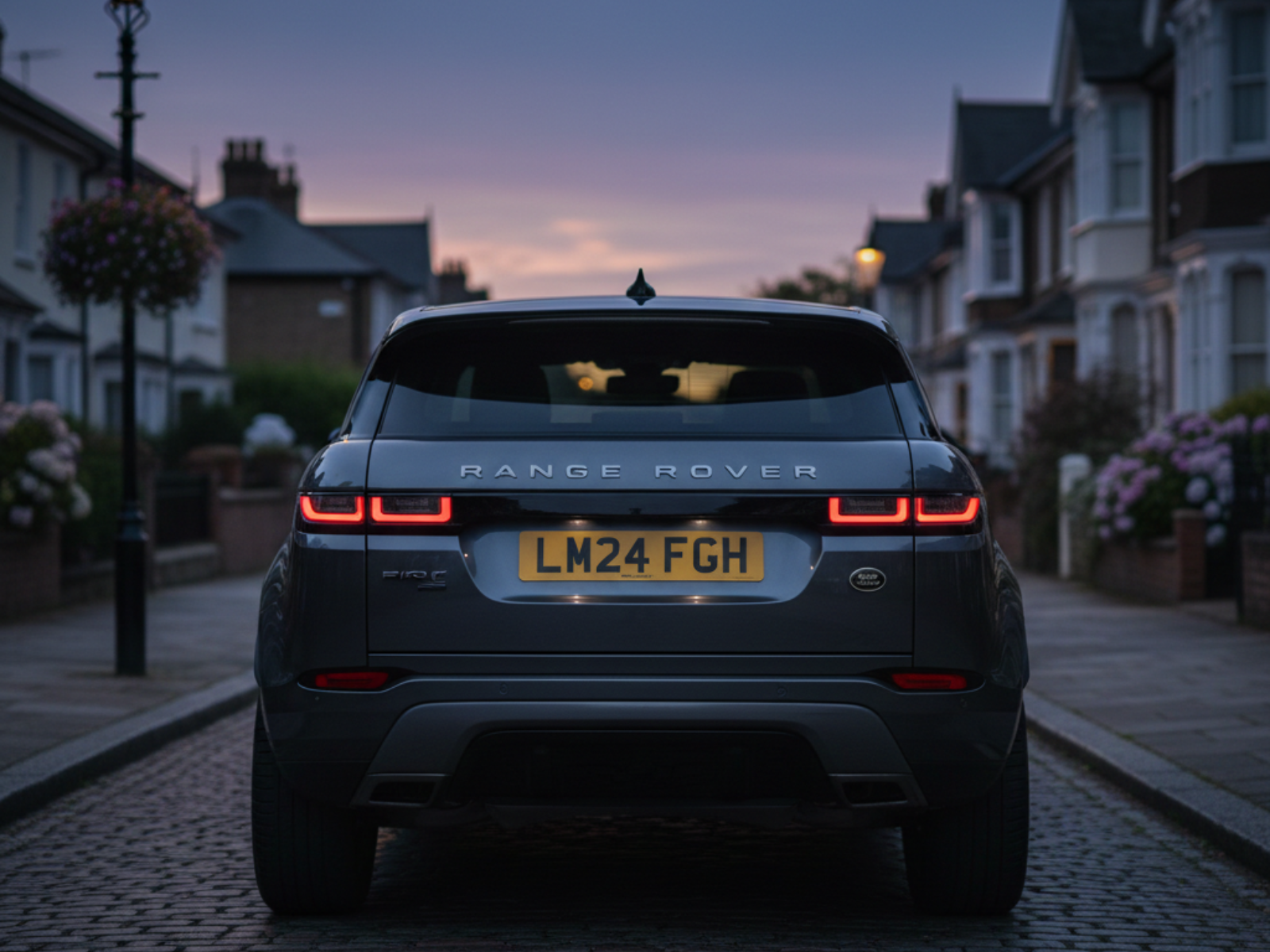
Nighttime driving highlights the limits of tinted plates more clearly than daylight use. Once headlights become the main light source, plates rely on reflectivity to remain readable, and tinting changes how that reflected light behaves.
Standard plates return light sharply, which helps characters stand out at a distance. Tinted finishes absorb more light, and as tint depth increases, character edges can appear softer under headlights, especially as vehicles move or change angle.
Poor weather compounds this effect. Rain, spray and road film already reduce clarity before tinting plays a role. Water on the plate surface scatters light unevenly, and darker finishes can exaggerate that scatter.
Winter driving adds further pressure. Low sun, early darkness and wet roads place constant demands on reflectivity. In these conditions, lighter finishes tend to perform more predictably, keeping readability intact when it matters most.
Legal Considerations for UK Drivers
For UK drivers, legality often becomes the deciding factor once interest turns serious. Number plates are regulated closely, with rules centred on clarity, reflectivity and consistent readability rather than personal preference.
DVLA standards require reflective backgrounds and clear black characters that remain readable across varied conditions. Tinting becomes an issue when it dulls reflection or reduces contrast, even if the plate layout itself remains correct.
Appearance alone does not determine acceptability. A plate that looks subtle when parked can still fall short once lighting, weather or distance come into play. If visibility drops under headlights or rain, the plate may be judged non-compliant.
Uniformity supports recognition, which is why custom number plate finishes sit within narrow limits. Enforcement extends beyond MOT checks. Roadside inspections and camera systems assess plates continuously, which means performance matters more than intention.
How Enforcement and Cameras Detect Plates
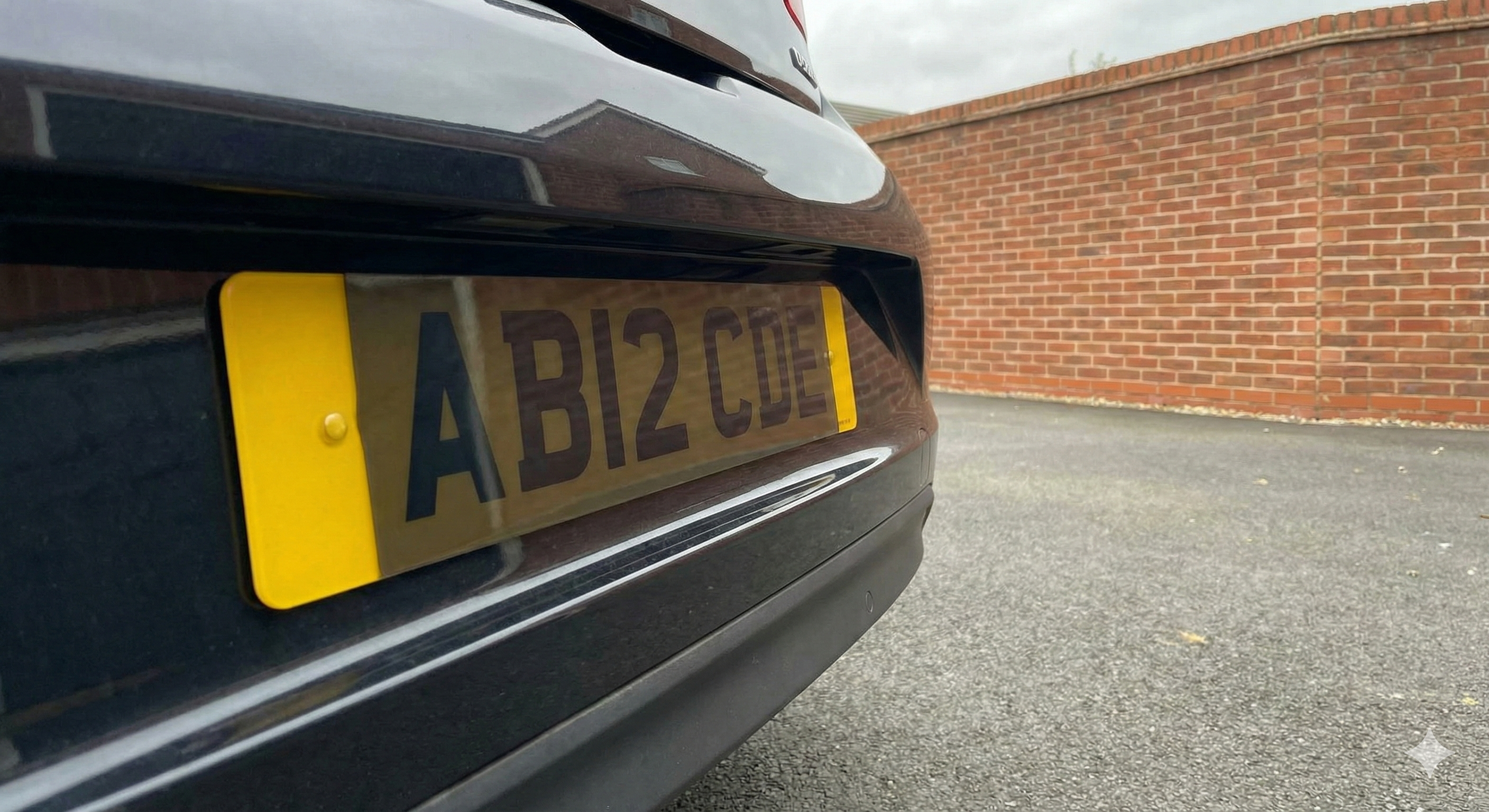
Enforcement operates quietly, so many drivers only think about it after a plate draws attention. In the UK, checks rely heavily on automated camera systems alongside roadside observation.
Automatic systems scan plates as vehicles move through traffic, car parks and controlled zones. These systems depend on predictable reflectivity and contrast. Finishes that soften either can struggle to register consistently.
Police officers conduct visual checks as well. Plates that appear dull, darkened or uneven under headlights can stand out during routine stops. This does not require extreme tinting. Subtle finishes can still behave unpredictably under certain angles.
Weather and lighting amplify these effects. A plate that appears fine in daylight can behave very differently once water sits on the surface or headlights strike at an angle.
Advantages of Tinted Number Plates
Tinted number plates appeal to drivers who want visual refinement without altering layout or structure. The advantages focus mainly on appearance and flexibility.
- Subtle styling control - A tinted finish softens the bright look of standard plates, helping the vehicle feel more cohesive where darker colours dominate.
- Personalisation without redesign - Tinting keeps the familiar structure intact, which suits drivers who want individuality without stepping far from accepted norms.
- Compatibility with modern vehicles - Many newer cars feature dark grilles, window tints and smoked lights, making lighter-tinted plates feel visually consistent.
- Reversible options - Film-based finishes can often be removed, which supports experimentation without long-term commitment.
- Visual change without permanence - For some owners, this approach adjusts appearance without committing to permanent body modifications.
Disadvantages and Legal Risks
Tinted number plates carry drawbacks that surface once style meets daily driving.
- Risk of fines and roadside stops - Reduced clarity can attract attention during checks, with penalties following if standards are not met.
- MOT failures and refits - Plates form part of inspections, and finishes that dull reflectivity may fail even if they appeared acceptable earlier.
- Insurance complications - Non-standard finishes can raise questions during claims, particularly where modifications were not declared.
- Reduced readability in real conditions - Rain, glare and headlight wash can expose limits quickly, increasing enforcement risk.
- Limited tolerance - Finishes sit close to regulatory limits, so ageing or surface wear can push a plate out of compliance.
Who Tinted Number Plates Are Best Suited For
Tinted number plates suit drivers who approach styling with restraint rather than impulse. These owners enjoy subtle changes, yet remain aware of how those changes interact with rules and daily driving conditions.
Drivers who research before fitting tend to fare better. They understand how tint depth affects visibility and why lighter finishes sit closer to accepted styles.
Show vehicles and display builds often sit comfortably here, where appearance carries more weight than constant camera exposure.
For daily drivers, moderation matters. Lighter finishes usually work best across mixed conditions.
Choosing the Right Number Plate Finish
Choosing a finish usually comes down to how much visual change feels appropriate alongside everyday use.
Light tints suit most drivers. They soften brightness while behaving predictably in daylight, rain and night driving.
Medium tints create a clearer styling shift and suit drivers who want a noticeable change without pushing limits.
Dark tints offer the strongest visual impact, yet character definition softens quickly, which suits limited-use vehicles better.
Material quality matters as much as shade. Integrated acrylic finishes tend to age more evenly and maintain clarity over time.
This tinted number plate guide brings style, visibility and legality together, helping decisions feel measured rather than rushed. Lighter finishes often strike the safest balance, keeping appearance refined without inviting unnecessary attention. Demon Plates offers compliant options and advice grounded in UK standards for drivers who want confidence alongside style.