



The sight of drivers hiding number plates often sparks curiosity. Blurred characters, tinted covers, or plates mounted at unusual angles tend to stand out, especially when they appear on everyday roads rather than at shows or private events.
That curiosity matters because these behaviours influence what other drivers begin to view as normal. When obscured plates appear repeatedly in car parks, traffic, or online posts, they can quietly shift expectations around what is acceptable.
This article explores why drivers hide number plates from a UK perspective. The aim is to separate assumption from fact, explain the motivations behind the behaviour, and outline the legal reality that applies once a vehicle is used on public roads.
By the end, readers should feel clearer about why the trend exists, what UK law actually says, and which alternatives remain compliant.
Avoiding Speed and Traffic Enforcement
One of the most common explanations given for drivers hiding number plates is the belief that obscuring characters prevents speed cameras or traffic systems from issuing fines. This idea circulates widely online and is often presented as an easy workaround.
Some drivers believe reflective sprays, tinted covers, or altered spacing confuse cameras and stop penalties arriving later. The appeal of avoiding enforcement without changing driving behaviour makes the idea attractive.
In practice, UK enforcement relies on multiple methods. Fixed cameras, mobile units, and police patrols all rely on visual confirmation as well as automated systems. Plates that are unreadable or altered tend to stand out rather than blend in.
Automatic recognition systems are designed to flag poor number plate visibility. Once a vehicle is flagged, further checks often follow, sometimes across different locations or journeys.
Rather than reducing risk, illegal number plate obscuring often increases scrutiny. What appears to be a shortcut frequently leads to stops, fines, or instructions to replace plates immediately.
Reducing the Risk of Vehicle Cloning
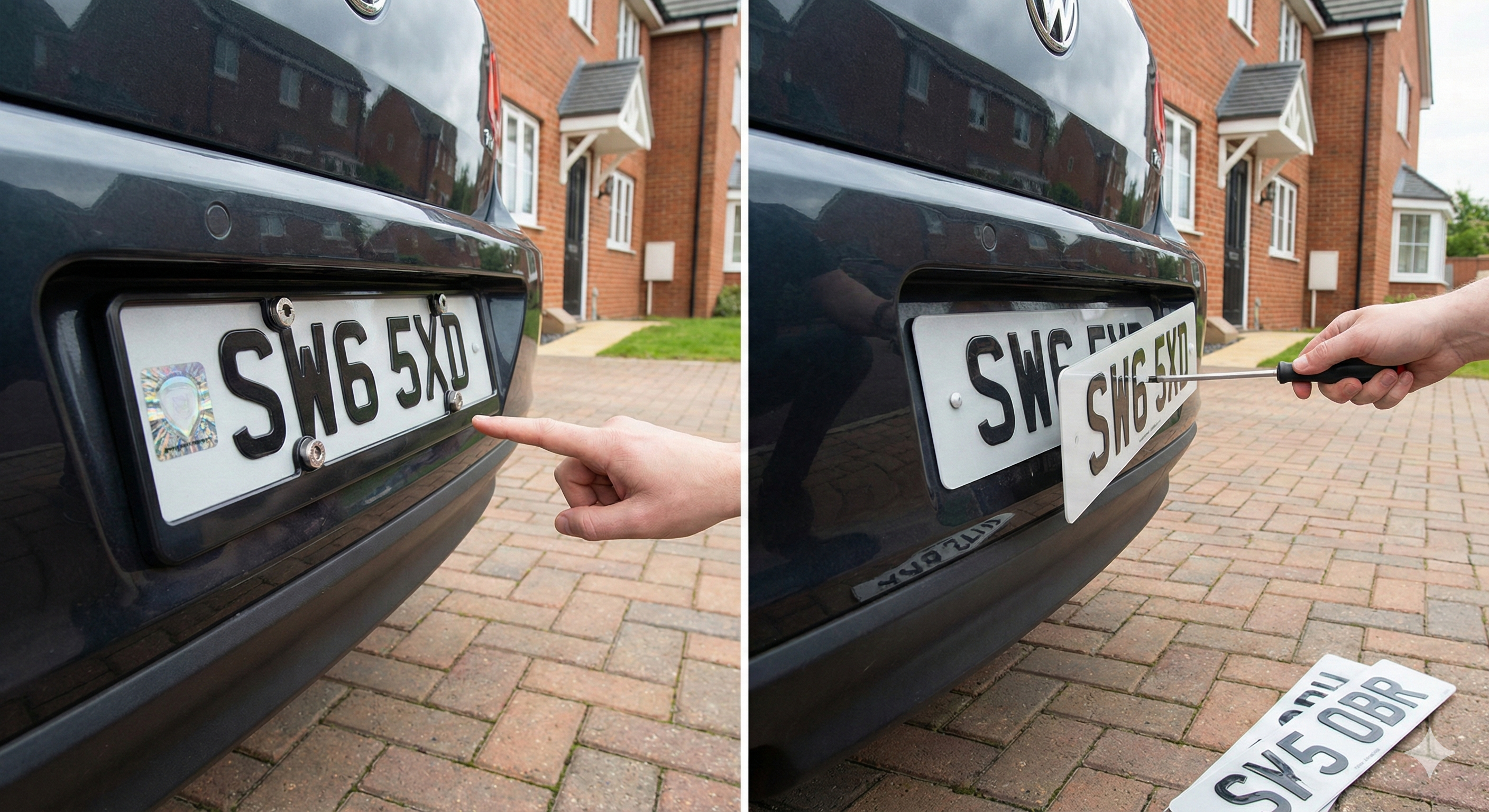
Vehicle cloning is frequently raised when discussing drivers hiding number plates. The concern usually stems from stories shared online about innocent drivers receiving fines or being stopped due to copied registrations.
Cloning occurs when criminals duplicate a legitimate registration and place it on another vehicle, leaving the genuine owner to deal with the consequences.
Some drivers assume that hiding number plates reduces exposure and lowers the chance of their registration being copied. In reality, obscuring plates does not prevent cloning. Criminals often gather registration details from parked vehicles, online listings, or public records rather than live road footage.
Reduced plate visibility can actually increase suspicion during checks. Vehicles with altered plates are more likely to be stopped, which adds stress rather than protection.
Clear, legal plates combined with prompt reporting and documentation tend to offer far better protection than illegal changes that attract attention.
Privacy and Personal Security Concerns
Privacy concerns have become more common as vehicles appear more frequently in public photos, dashcam footage, and online videos. For some drivers, the idea that a registration can be linked to movement or identity feels uncomfortable.
Social media intensifies this concern. Images can travel far beyond their original audience and remain searchable long after they were shared.
These worries are understandable, yet UK law treats number plates as public identifiers on public roads. Altering or covering them crosses into illegal number plate obscuring, even when privacy is the motivation.
A safer option is managing exposure after images are taken. Blurring plates in online posts protects privacy without breaching number plate laws UK drivers are required to follow.
Styling and Aesthetic Preferences

Styling preferences sit behind many examples of drivers hiding number plates, particularly within modified car scenes and show culture. A tucked-away or darkened plate can appear cleaner, allowing bodywork and stance to take visual priority.
Images shared online reinforce the idea that this look is acceptable, especially when the vehicle is shown stationary, and consequences are not visible.
Public roads operate under different rules. UK law prioritises number plate visibility regardless of paint colour, exterior modifications, or design intent.
A plate that looks neat when parked can become problematic during daily use. MOT testers and officers focus on clarity and readability, not aesthetics.
When appearance is prioritised over compliance, the result is often roadside action or failed inspections, which undermines the look drivers were aiming for.
Influence of Car Culture and Social Media
Car culture online plays a significant role in shaping attitudes around hiding number plates. Short clips and polished images often normalise obscured plates without acknowledging legality.
Creators typically focus on visuals and engagement, while enforcement consequences remain out of frame. Viewers then assume the behaviour is either permitted or unlikely to be challenged.
Repeated exposure reinforces these assumptions, particularly among younger drivers who follow trends closely.
Offline reality differs. Police and MOT testers apply the law consistently, regardless of how common a behaviour appears online.
Social media shapes perception, but it does not change number plate laws UK drivers must follow.
Misunderstanding of Number Plate Laws
Confusion around number plate laws contributes heavily to non-compliant behaviour. Misinformation spreads easily through word of mouth and online discussion.
Some drivers assume small changes go unnoticed or that shop-bought accessories must be permitted. Others believe readability from close range is enough, despite the law focusing on distance, consistency, and reflectivity.
Common myths include altered spacing being acceptable or covers being allowed during daylight. These beliefs persist even though official guidance is publicly available.
The rules exist to protect safety and enforcement. Misunderstanding them rarely offers protection once a vehicle is stopped.
The Legal Risks of Hiding Number Plates
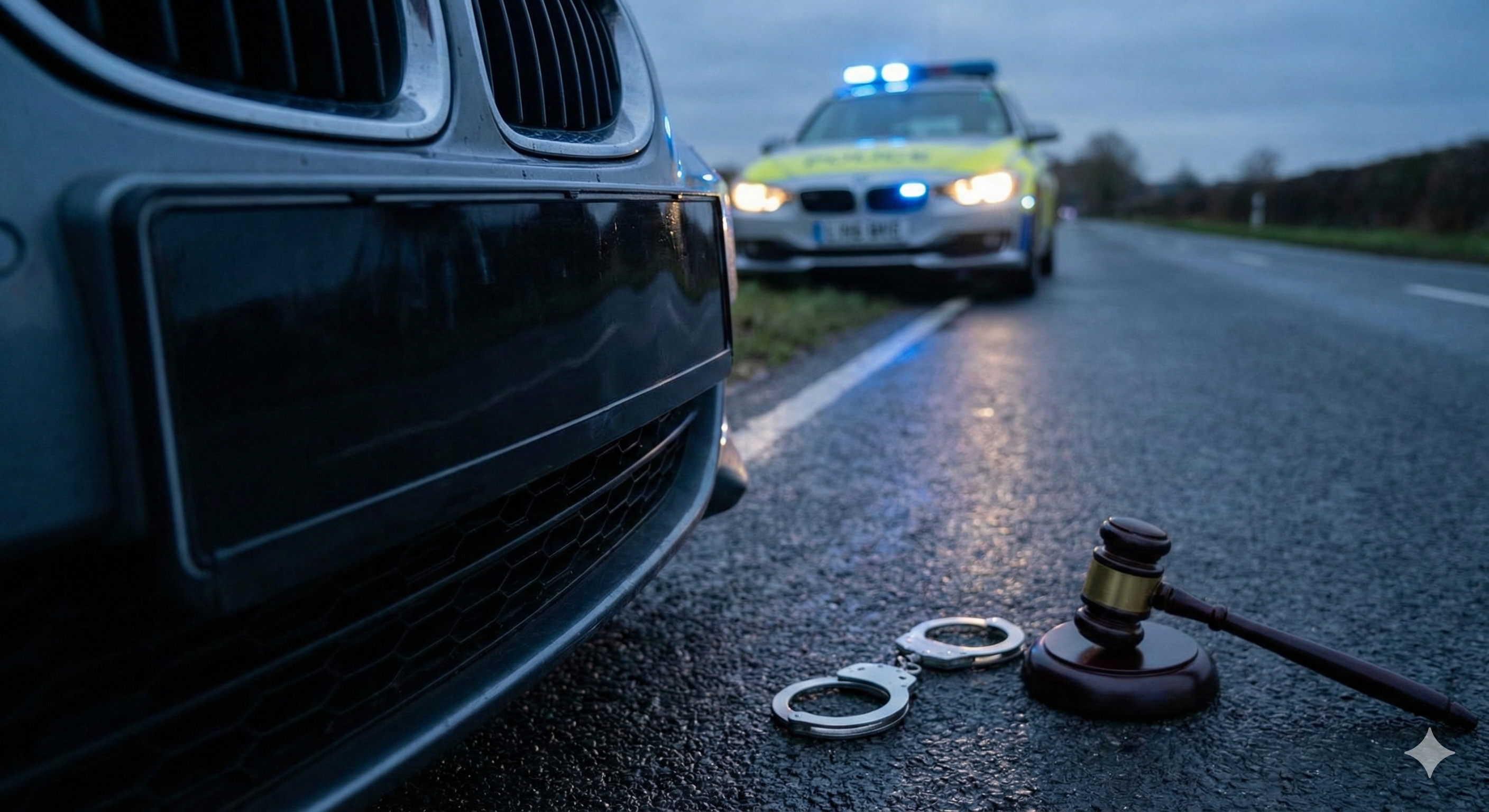
The legal risks linked to hiding number plates are broader than many drivers expect. Fines are common, but failed MOTs and roadside orders to replace plates frequently follow.
Police checks focus heavily on number plate visibility. Altered or obscured plates stand out quickly during routine stops.
Automatic recognition systems flag unreadable registrations, and those alerts can trigger repeated attention over time.
Motivation rarely affects outcomes. Once a plate is deemed non-compliant, explanations tend to carry little weight.
Rather than avoiding problems, illegal number plate obscuring often creates ongoing inconvenience and cost.
Curiosity about why drivers hide number plates usually fades once the legal picture becomes clear. Motivations range from enforcement avoidance to styling and privacy, yet none outweigh the rules that apply on UK roads.
Drivers who want a cleaner look or subtle personalisation still have compliant options available. Choosing legal plates from Demon Plates keeps vehicles road legal, MOTs straightforward, and stress to a minimum.
Learning the rules and working within them saves time, money, and unnecessary hassle over the long term.