



Regular servicing remains one of the most effective ways to maintain vehicle performance, safety and long-term reliability. Most drivers research costs in advance, particularly when comparing garages or planning annual maintenance.
The question how much does a car service cost has no single answer. Pricing varies across the UK depending on vehicle type, service level and labour rates. Despite this variation, most garages follow a consistent structure built around three service tiers:
- Interim service
- Full service
- Major service
Each level reflects a different depth of inspection and maintenance. Alongside mechanical upkeep, many drivers also focus on how their vehicle looks and presents on the road, including details such as number plates that contribute to overall appearance.
This guide outlines realistic 2026 price ranges, explains what each service includes and highlights the factors that influence the overall cost of servicing a car.
How Much Does a Car Service Cost in 2026?
Car servicing prices in the UK follow predictable ranges based on service level. The average car service cost increases with the number of checks and parts replaced during each visit.
Service Type | Average UK Cost |
Interim Service | £80–£150 |
Full Service | £150–£300 |
Major Service | £250–£500+ |
An interim service sits at the lower end of the pricing scale. A full service introduces a broader inspection, which increases labour time. A major service includes additional component replacement, placing it at the highest cost level.
Several factors influence the car service cost UK drivers encounter:
- Vehicle size and engine capacity
- Petrol, diesel, hybrid or electric drivetrain
- Garage location and labour rates
- Manufacturer service schedules and parts
Labour costs and parts pricing have risen across the automotive sector, which has pushed servicing costs upward in 2026.
What Is Included in a Standard Car Service?
A standard service focuses on maintaining core mechanical systems and identifying early signs of wear. Most garages follow a structured checklist covering essential components.
Typical service checks include:
- Engine oil replacement
- Oil filter replacement
- Brake inspection
- Tyre condition and pressure checks
- Fluid level inspection including coolant and brake fluid
- Lights and electrical system testing
- Battery condition check
- Steering system inspection
- Suspension inspection
Engine oil replacement remains central to servicing. Oil lubricates internal components, and degraded oil reduces engine efficiency over time.
Brake inspections identify pad wear and disc condition. Tyre checks confirm tread depth, inflation and structural condition.
These checks support three key outcomes:
- Vehicle safety
- Mechanical reliability
- Compliance with manufacturer service schedules
Consistent servicing records can also protect resale value.
Average Car Service Costs in the UK (2026 Guide)
The cost of servicing a car varies by vehicle category. Engine size, component complexity and parts pricing all influence the final cost.
Vehicle Type | Typical Service Cost |
Small cars | £120–£220 |
Family vehicles | £150–£300 |
Performance cars | £250–£450 |
Luxury vehicles | £300–£600+ |
Small vehicles remain the least expensive to service. Lower oil capacity and simpler systems reduce labour time and parts costs.
Family vehicles fall into a mid-range bracket. Larger engines and additional components increase service requirements.
Performance vehicles require higher specification oils, filters and inspection procedures. Labour time often increases as a result.
Luxury vehicles sit at the upper end of the car servicing price UK range. Advanced electronics, specialist tools and manufacturer-specific components increase both labour and parts costs.
Additional pricing factors include:
- Vehicle age and wear levels
- Regional labour rate differences
- Parts availability and supply
Full Service vs Interim Service: What’s the Price Difference?
The difference between an interim and full service lies in inspection depth and maintenance scope.
Interim Service
Typically carried out every six months for high-mileage vehicles.
Includes:
- Oil change
- Oil filter replacement
- Brake checks
- Tyre inspection
- Fluid level checks
The interim service cost remains lower due to the limited scope of work.
Full Service
Usually completed every 12 months.
Includes:
- Oil and filter replacement
- Air filter inspection
- Cabin filter inspection
- Brake system checks
- Steering inspection
- Suspension inspection
- Battery testing
The full car service cost increases due to the broader inspection and additional components reviewed. Annual servicing provides a more complete assessment of vehicle condition.
Major Service Costs Explained
A major service represents the most comprehensive level of routine maintenance. It typically occurs every 24 months or 24,000 miles, depending on manufacturer guidance.
In addition to full service checks, a major service includes:
- Spark plug replacement
- Air filter replacement
- Cabin filter replacement
- Brake fluid replacement
- Extended mechanical inspection
Spark plugs influence combustion efficiency and fuel economy. Air filters affect airflow into the engine. Brake fluid degrades over time and requires replacement to maintain braking performance.
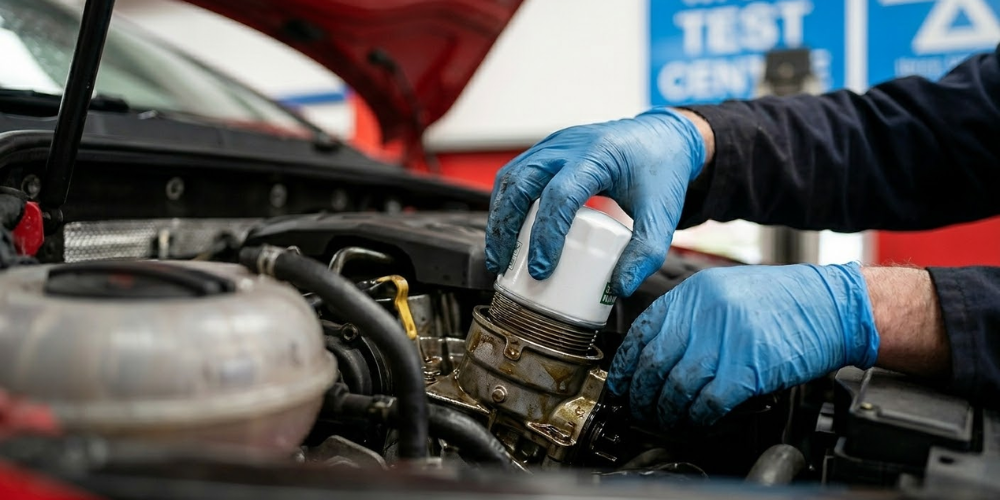
The major car service cost generally ranges between £250 and £500 or more. Vehicle size, engine type and parts requirements determine the final price.
How Car Make and Model Affect Service Pricing
Vehicle design has a direct impact on servicing costs. Two cars receiving the same service level can produce significantly different bills.
Key factors include:
- Engine complexity
- Parts availability
- Brand positioning
- Specialist servicing requirements
Turbocharged engines, hybrid systems and performance-focused designs increase labour time. Premium manufacturers use specialised components, which often carry higher costs.
Larger engines require greater oil volume and larger filters. Performance vehicles frequently require higher specification fluids and more detailed inspections.
Luxury vehicles introduce additional complexity through advanced electronics and driver assistance systems. Diagnostics and calibration checks increase service duration.
Dealership vs Independent Garage: Which Costs More?
Servicing location plays a major role in pricing. Drivers typically choose between dealership workshops and independent garages.
Dealership Servicing
Benefits:
- Manufacturer-trained technicians
- Genuine parts
- Brand-linked service records
These factors support newer vehicles and warranty requirements.
Drawbacks:
- Higher labour rates
- Higher parts pricing
Independent Garages
Benefits:
- Lower labour costs
- Competitive pricing
- Flexible servicing options
Drawbacks:
- Service quality varies between providers
Independent garages often provide better value for older vehicles. Drivers comparing the cost of servicing a car frequently find lower overall pricing outside dealership networks.
Electric and Hybrid Car Service Costs in 2026
Electric vehicles (EVs) require a different servicing approach. Fewer moving parts reduce routine maintenance requirements.
EV servicing typically includes:
- Brake inspection
- Tyre inspection
- Suspension checks
- Battery system diagnostics
- Software updates
Oil changes and spark plug replacement do not apply, which lowers overall servicing costs.
Hybrid vehicles combine petrol engines with electric systems. Servicing requirements sit between traditional vehicles and EVs.
Hybrid servicing may include:
- Oil changes
- Electrical system checks
- Cooling system inspection
Servicing costs vary depending on system complexity. Many hybrids fall within standard servicing price ranges.
What Extra Costs Should You Expect?
Routine servicing can uncover additional maintenance needs. These costs sit outside the standard service price.
Common additional expenses include:
- Brake pad replacement
- Tyre replacement
- Suspension repairs
- Battery replacement
- Air conditioning servicing
Brake pads and tyres wear through normal use. Suspension components degrade over time. Batteries and air conditioning systems require periodic attention.
Reputable garages contact customers before completing additional work. Approval is typically required before repairs proceed.
These extra items can increase the overall car service cost UK drivers pay during a visit.
How Often Should You Service Your Car?
Service frequency depends on manufacturer guidance, mileage and driving conditions.
Typical intervals include:
- Interim service every 6 months
- Full service every 12 months
- Major service every 24 months
High-mileage vehicles may require more frequent servicing. Urban driving conditions increase wear on braking and engine systems, which can shorten service intervals.
Manufacturer schedules remain the most reliable reference point for each vehicle.
Drivers who maintain their vehicles consistently often take a broader approach to upkeep. Mechanical reliability and visual presentation tend to go hand in hand, particularly for those who take pride in their vehicle’s condition.
Alongside regular servicing, many drivers choose to refine details such as number plates as part of that overall standard. Customisation options are available through our Demon Plates plate builder, allowing vehicle owners to align appearance with the same level of care applied to maintenance.
Ways to Reduce Car Service Costs
Managing servicing costs requires a consistent and informed approach.
Effective strategies include:
- Comparing quotes from multiple garages
- Following manufacturer service intervals
- Using reputable independent garages where appropriate
- Maintaining tyre pressure and fluid levels
- Addressing minor issues early
Preventative maintenance reduces the likelihood of larger repair costs. Early intervention limits long-term mechanical wear.
Is a Cheap Car Service Worth It?
Very low service prices can indicate reduced inspection quality or lower-grade components.
Potential risks include:
- Low-quality oil or filters
- Limited inspection coverage
- Hidden additional charges
- Missed mechanical issues
Incomplete servicing increases the risk of more expensive repairs later.
Garage reputation and transparency remain key indicators of service quality. Qualified technicians and clear pricing structures provide more reliable outcomes.
When assessing the average car service cost, value should be considered alongside price.
Last Thoughts on How Much a Car Service Costs
The answer to how much does a car service cost depends on service level, vehicle type and garage choice. Interim, full and major services each serve a defined role within a maintenance schedule.
Regular servicing supports long-term reliability, reduces the risk of major repairs and maintains vehicle value.
Selecting a reputable garage influences both cost and quality. Transparent pricing and consistent servicing records provide the most reliable results.
Vehicle owners who prioritise maintenance often extend that care to appearance. For custom number plates and styling options, drivers can contact us here at Demon Plates to explore all available solutions and fittings so you can be sure of your plate fitting with your car service.
Learn More