



A small crack on a number plate can feel minor, yet it raises clear concerns about legality and road use. Now, UK law focuses on visibility and condition, which means damage can quickly move from cosmetic to non-compliant. Drivers risk MOT failure or penalties if characters lose clarity or the plate structure weakens.
However, not every crack leads to an offence, as severity plays a direct role in how rules apply. In short, this guide explains what counts as damage, how it affects legality, and when replacement becomes the safer option.
What Counts as a Cracked Number Plate
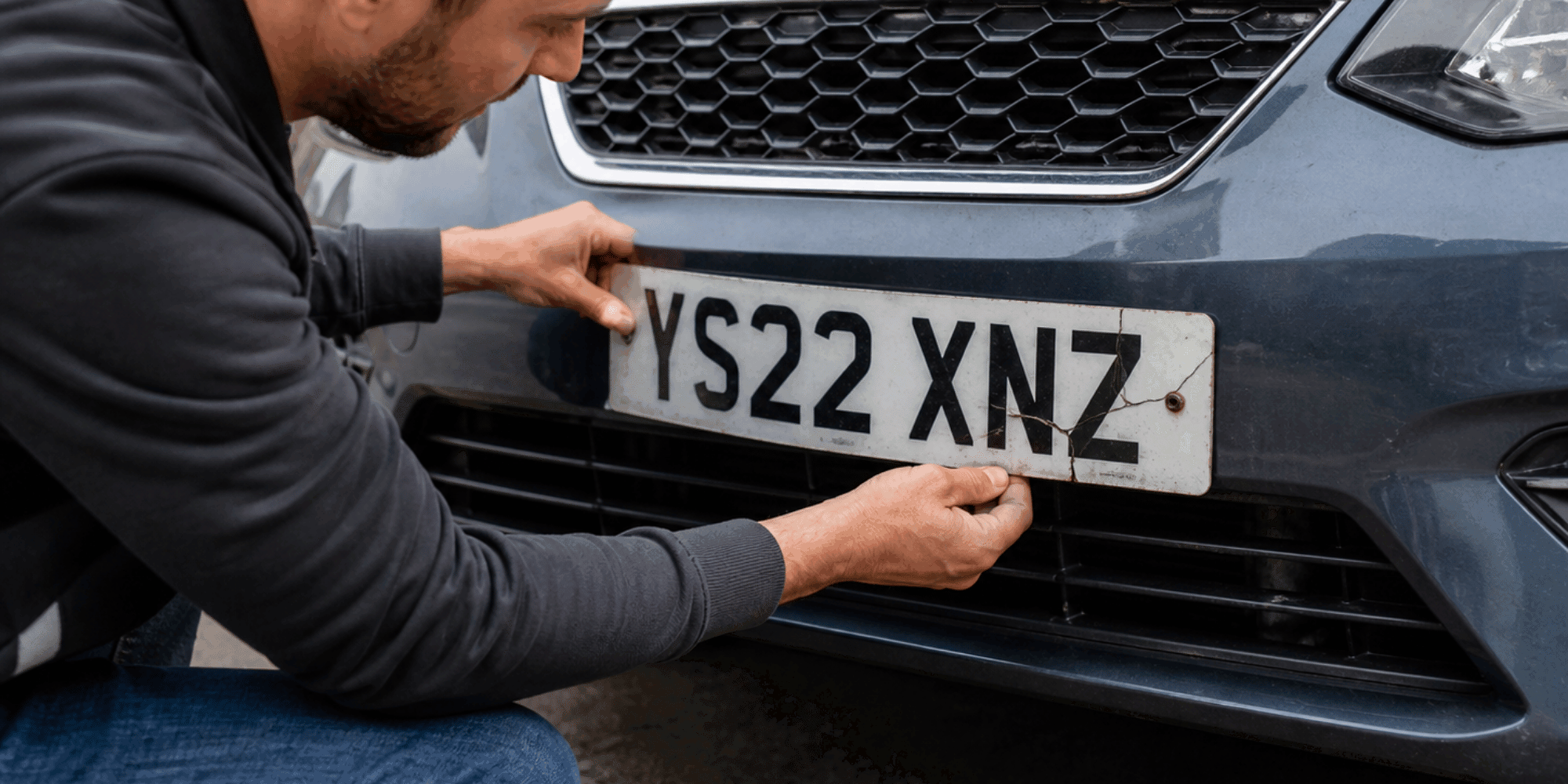
A cracked number plate refers to structural damage within the material, which sets it apart from light scratches or surface marks. For instance, cracks tend to form after impact, pressure, or gradual stress across the plate. Meanwhile, these splits may begin small yet extend over time as vibration from driving takes effect.
Damage near fixings or edges can spread faster, which weakens the plate’s overall structure. In the same way, stress fractures can develop without a clear impact point, which makes them harder to spot early. Now, any break that affects strength or stability falls within this category.
Why a Cracked Number Plate Can Be a Problem
- Reduced visibility makes characters harder to read, which affects compliance with legal standards
- Further damage can develop as cracks widen under pressure or exposure
- Safety concerns arise if sharp edges form or sections begin to detach
- ANPR systems may struggle to recognise distorted or broken characters
When Damage Can Affect Plate Visibility
Visibility sits at the centre of number plate rules, which means any damage that interferes with clarity can lead to issues. Cracks that run through letters or numbers can distort their shape, which makes them harder to read at distance.
Meanwhile, uneven surfaces may reflect light inconsistently at night, which can create glare or shadow across parts of the plate. In the same way, dirt and moisture can settle into cracks, which further reduces contrast. Now, even slight disruption to spacing, alignment, or reflectivity can affect how the plate appears during checks.
How Cracks Can Impact Road Legality
UK law requires number plates to display characters in a clear and legible format at all times. Plates must meet the British Standard BS AU 145e, which sets rules for durability, reflectivity, and construction. However, a cracked plate may fail to meet these requirements if the damage affects structure or visibility.
In short, non-compliance can result in fines or requests to replace the plate. Meanwhile, enforcement checks rely on quick identification, which means any obstruction can lead to further scrutiny. Now, drivers remain responsible for maintaining plates in a compliant condition throughout use.
Common Causes of Cracked Number Plates
- Overtightened screws can place pressure on the plate, leading to stress fractures
- Stone chips from road debris can create small cracks that expand over time
- Weather exposure and UV light can weaken materials, increasing the risk of splitting
- Minor impacts or pressure during parking can cause structural damage
Signs Your Number Plate Needs Replacing
- Cracks run through letters or numbers, which disrupts readability and may lead to compliance issues
- Sections of the plate appear broken, chipped, or missing, which weakens the overall structure
- Delamination shows as bubbling or peeling layers, which affects both clarity and durability
- The plate feels loose, flexible, or unstable when touched, which suggests reduced strength
- Discolouration or fading appears around damaged areas, which can reduce contrast and visibility over time
Risks of Continuing to Drive With a Damaged Plate
Driving with a damaged plate carries risks that extend beyond appearance and into legal and safety concerns. An MOT test may result in failure if the registration cannot be read clearly from the required distance. Meanwhile, drivers may face a fine or penalty if the plate does not meet legal standards.
In the same way, weakened plates can loosen over time, which increases the chance of detachment during travel. Now, cracks can expand with vibration and weather exposure, which leads to more severe damage. In short, delaying replacement raises the likelihood of repeat issues, further costs, and continued non-compliance on the road.
How to Replace a Cracked Number Plate
- Choose a registered supplier who meets DVLA requirements for plate production
- Provide valid documentation to confirm identity and vehicle ownership
- Select a compliant plate design that meets British Standards
- Install the plate securely using appropriate fixings or approved adhesive pads
How to Prevent Your Number Plate From Cracking Again
- Use high-quality materials that resist stress, impact, and environmental wear, which helps maintain structural integrity over time
- Avoid overtightening screws during installation, as pressure around fixing points can lead to cracks forming
- Consider adhesive pads instead of traditional fixings, which reduce direct strain across the plate surface
- Check plates regularly for early signs of damage, which allows issues to be addressed before they worsen
- Clean plates with suitable products, which helps preserve visibility and prevents debris from settling into weak points
Choosing a Durable Replacement Number Plate
A durable replacement plate supports both compliance and long-term reliability. High-grade materials reduce the risk of cracking, fading, or delamination under daily use.
Meanwhile, a well-made plate, such as those we produce here at Demon Plates, maintains clarity across different lighting conditions, which helps meet legal standards. In the same way, selecting a trusted supplier like ourselves improves confidence in both quality and fit.
Drivers looking for dependable options can explore replacement number plates designed to meet UK requirements and maintain a clean finish. However, guidance from Demon Plates remains available through our contact us page for those unsure about specifications or installation.
Learn More